In 2026, LinkedIn’s security is tougher than ever. Some still google buying LinkedIn accounts, search for buy LinkedIn accounts, or even try to run a fake LinkedIn profile, but the LinkedIn algorithm 2026 is highly effective at flagging inauthentic behaviorFor SDRs, agencies, and growth marketers, the only reliable path is using real, verified accounts — often supported by trusted LinkedIn renting companies.
How LinkedIn Algorithm 2026 Flags Fake Accounts
- Suspicious IP/device patterns → high-fraud proxies or frequent IP changes.
- Low activity → empty feeds, no posts, weak connections.
- Broken social graph → random, unrelated connections.
- Unnatural photos → stock or AI faces with perfect symmetry, poor lighting; often fail manual ID checks.
⚠️ Most fake accounts don’t survive long — the algorithm eventually restricts them.
Top 3 Mistakes That Trigger Instant Bans
Why Verified Profiles Perform Better
Verified accounts look authentic, gain trust, and can be recovered if restrictions happen. To keep them safe:
- Use clean proxies and stable logins.
- Add real or well-tuned photos that pass ID checks.
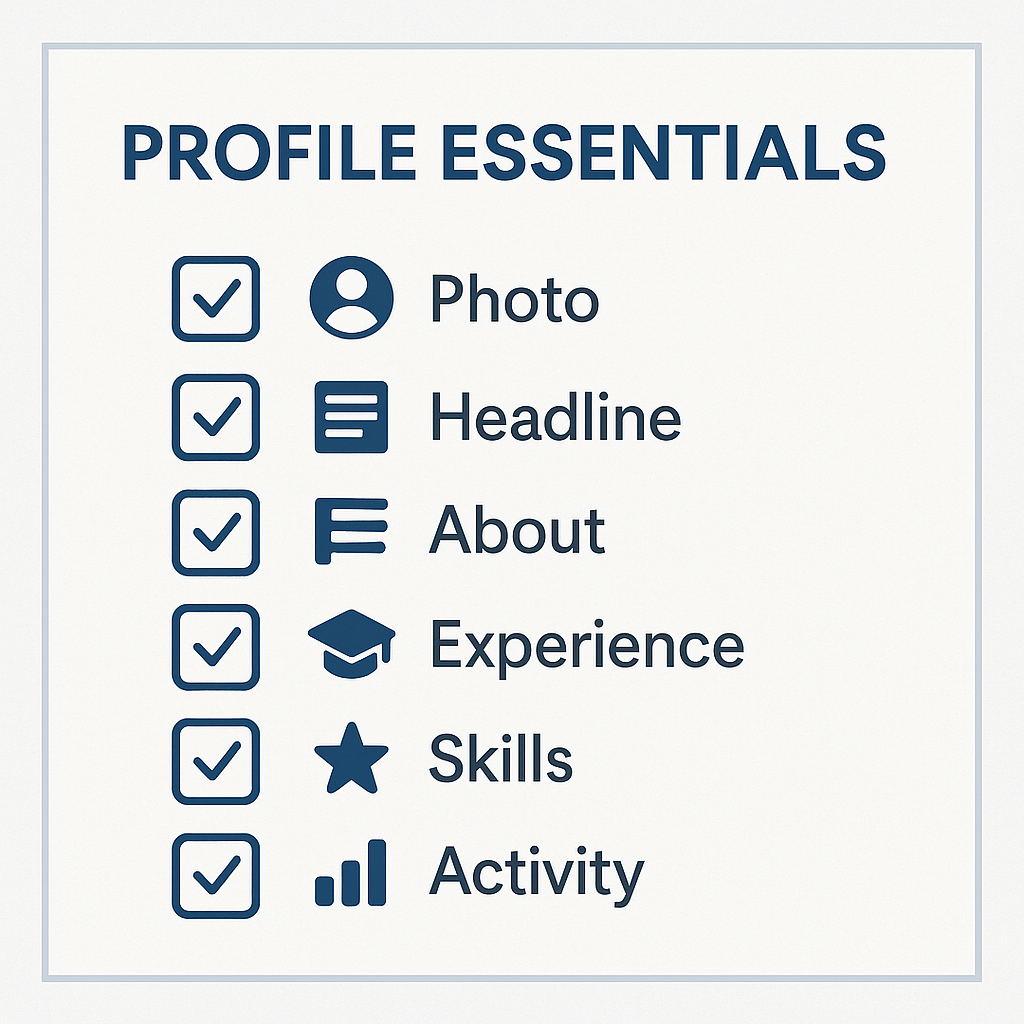
- Complete the profile (About, Experience, Education, Skills).
- Mimic human behavior — like, comment, and post occasionally.
- Personalize outreach instead of mass-sending one script.
Real vs Fake Accounts: A Quick Comparison
Conclusion
The LinkedIn algorithm in 2026 spots low-quality signals fast — fake profiles are a short-term gamble. Identity-backed accounts win on trust, stability, and recoverability, which is why many teams choose reputable rental providers.
Our approach:
- Clean, low-fraud, mobile-grade proxies; profiles are isolated and pre-warmed so one review never cascades to others.
- Real, ID-verified profiles with the official checkmark; 2FA-ready and able to pass passport verification on request.
LinkUnity provides these accounts with clean setup, bulk pricing, Sales Navigator on verified profiles, and post-restriction recovery if needed.